
August Teaching Topics: Back-to-School Activities and Free Resources for Teachers
Kick off the school year with engaging back-to-school activities, real-world science, and free educational resources for teachers.

The start of a new school year is an exciting opportunity to spark curiosity, encourage meaningful discussions, and help students connect what they learn in the classroom to the world around them.
Whether you're planning your first week of lessons or looking for engaging back-to-school activities, August is filled with awareness days that make learning timely, relevant, and memorable.
At Educated Choices Program, we believe students learn best when lessons are grounded in real-world issues. Our free educational videos and classroom-ready curricula help teachers bring health, science, sustainability, and food systems to life through evidence-based, engaging learning experiences.
Here are some of this month's teaching topics and ways to bring them into your classroom.
Featured August Lesson Plans and Activities:
August 2–9: National Health Center Week

Healthy communities begin with healthy people. National Health Center Week recognizes the health centers and healthcare professionals working every day to improve community well-being. It's also an opportunity to inspire the next generation of healthcare leaders.
The Educated Choices Program offers three evidence-based health education resources that help learners understand the powerful connection between nutrition and long-term health. These resources are developed in partnership and/or approved by Doctors for Nutrition, a doctor-led nonprofit aiming to prevent disease and suffering through nutrition education.
Heart Smart explores the causes of cardiovascular disease and how dietary choices can reduce risk.
Unlocking Diabetes explains how type 2 diabetes develops and the role nutrition plays in prevention and management.
For younger students, Eat for Your Health introduces healthy eating habits through age-appropriate lessons.
These resources are used not only in K-12 classrooms, but also by college nursing professors and students, healthcare providers, clinics, hospitals, assisted living communities, and public health educators. Whether students are interested in medicine, nursing, nutrition, public health, or simply want to better understand how food influences health, these lessons connect classroom learning to real-world health challenges and careers.
Consider exploring topics like:
Nutrition and disease prevention
Heart health
Building lifelong healthy habits
How our food system impacts both people and the planet
Featured National Health Center Week Resources:

This video explores how everyday nutrition influences long-term health, helping students understand the connection between food choices, disease prevention, and overall well-being.

Discover how type 2 diabetes develops and explore the science behind prevention, management, and the powerful role nutrition can play in improving health outcomes.

Learn what causes cardiovascular disease, how lifestyle habits affect heart health, and practical nutrition strategies that can help reduce risk and support lifelong wellness.
August 6: Farmworker Appreciation Day

Every meal begins with someone who helped grow, harvest, or transport our food.
Farmworker Appreciation Day is an opportunity to recognize the essential role agricultural workers play while exploring larger conversations about modern agriculture, food production, and sustainability.
Discussion questions include:
Where does our food come from?
What challenges do farmworkers face?
How can agriculture support both people and the environment?
How are farming practices changing?
Featured resources:
Students gain a deeper understanding of the people behind our food systems while examining how agriculture continues to evolve.
Featured Farmworker Appreciation Day Resource: Future of Food

Go beyond the grocery store and discover how the future of agriculture is being shaped by the people who grow, produce, and innovate our food. Designed for older students (grades 11–12 and college), Future of Food explores emerging food technologies, the challenges facing today's food system, and how innovation can help support farmers, workers, public health, and the environment.
August 12: World Elephant Day

Elephants are among Earth's most remarkable ecosystem engineers.
Did you know elephants communicate using low-frequency sounds called infrasound that can travel several miles through the ground? Specialized cells in their feet allow them to detect these vibrations, helping herds stay connected across long distances. World Elephant Day ® was launched to bring attention to the urgent plight of Asian and African elephants. From the website, "protecting them means preserving biodiversity, supporting local economies, and maintaining the natural balance that benefits all life." Unfortunately, habitat loss and other human activities have left these species critically endangered.
World Elephant Day ® offers an engaging way to discuss:
Biodiversity
Habitat conservation
Ecosystem balance
Human impacts on wildlife
Major Threats to Elephants
Illegal ivory poaching
Habitat loss from expanding agriculture and development
Human-elephant conflict
Climate change
Unethical tourism practices

Learn more at worldelephantday.org/how-to-help-elephants.
Students can explore how protecting wildlife often means protecting the ecosystems that support both animals and people.
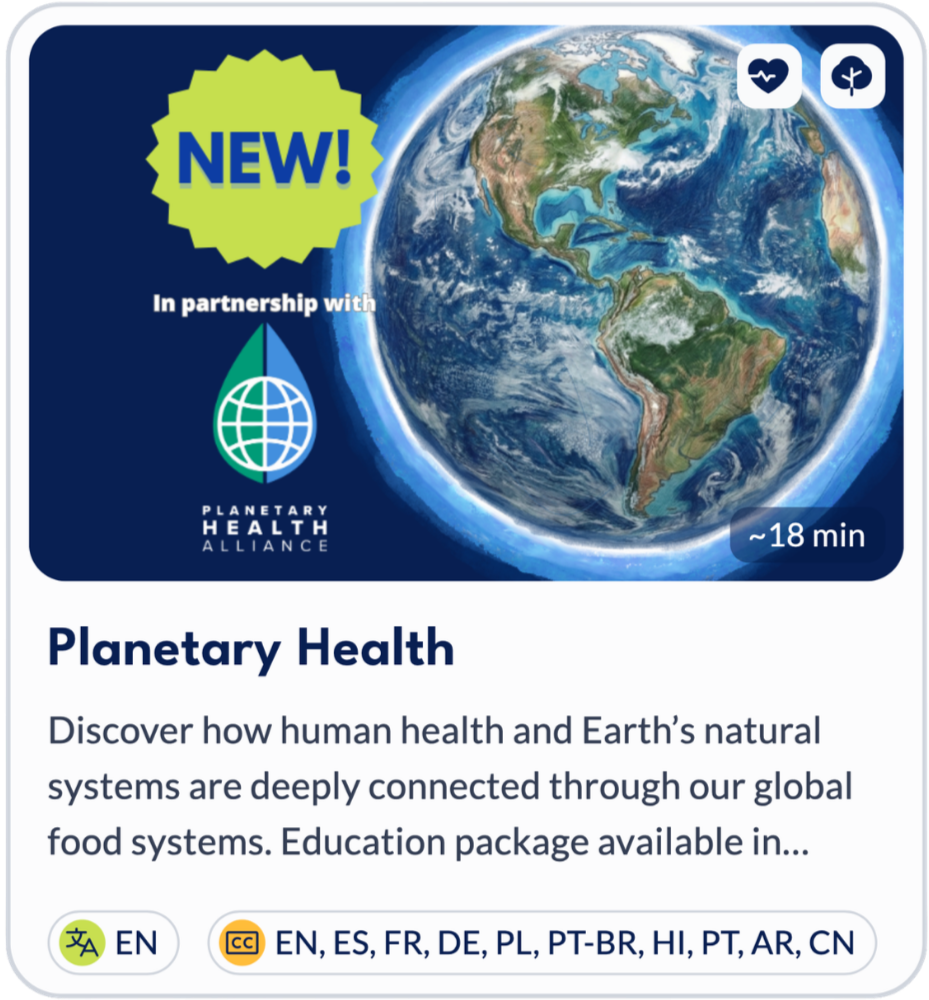
Featured World Elephant Day Resource: Planetary Health (Brand New Release)
Discover how human health and Earth’s natural systems are deeply connected through our global food systems. Education package available in English using Global data, including a 18-minute video and 1-2+ days of modifiable lessons.
You can use the link below to preview the video without an account for a limited time, or create an account and get unlimited access to all resources.
August 16: World Honey Bee Day

One out of every three bites of food we eat depends on pollinators.
Honey bees and many other pollinators, play a vital role in producing fruits, vegetables, nuts, and seeds. Yet pollinator populations continue to face challenges from habitat loss, disease, and environmental change.
This awareness day is a perfect opportunity to explore:
Pollination
Biodiversity
Food production
Sustainable agriculture
Students can investigate how healthy ecosystems support healthy food systems and why protecting pollinators benefits everyone.
Featured resources:
August 22: World Plant Milk Day

Innovation is changing the way we think about food. World Plant Milk Day encourages conversations about nutrition, sustainability, and the growing variety of foods available to consumers today.
Students can compare:
Different plant milks
Nutritional considerations
Environmental impacts
Consumer choice
Food innovation
These discussions encourage students to evaluate evidence rather than rely on assumptions.
Featured resource to explore plant-based milk, cheese, yogurt, and other dairy products:

August 29: Less Salt Day

Most people consume far more sodium than recommended.
Less Salt Day provides a timely opportunity to teach students about:
Reading nutrition labels
Processed foods
Heart health
Building healthy eating habits
Students can learn how small changes can support long-term cardiovascular health while practicing skills they'll use throughout life.
Featured resources:
Eat for Your Health (for ages 8 - 12)
Start the School Year with Free Educational Resources for Teachers
As students return to the classroom, many educators are searching for August back-to-school activities that go beyond icebreakers. The first weeks of school are the perfect time to encourage students to ask questions, analyze evidence, and explore how everyday choices affect their health, communities, and the planet.
Our classroom resources include:
Engaging educational videos
Guided notes
Discussion questions
Classroom activities
Quizzes
Homework assignments
Whether you teach science, health, environmental studies, agriculture, or advisory, our resources are designed to promote critical thinking while meeting students where they are.
The best back-to-school activities are the ones that help students make strong connections between classroom learning and the world they experience every day.
Whether you're teaching science, health, environmental education, agriculture, or nutrition, Educated Choices Program offers free educational resources for teachers that make complex topics engaging, accessible, and evidence-based.
Each education package includes classroom-ready materials designed to save teachers time while promoting thoughtful discussion, critical thinking, and informed decision-making.
Explore our free educational resources and help your students start the school year asking better questions and discovering meaningful answers.
Follow Us

Stay in the loop with new releases, educator tips, and real-world classroom stories by connecting with ECP online.
For classroom-focused inspiration and educator-specific content, you can also follow Teaching Educated Choices on Instagram and Facebook.
About Educated Choices Program:
At the Educated Choices Program, we believe every student deserves access to accurate and engaging education that empowers them to build a better future. If you agree, support our organization by using our resources in your classroom and connecting with us for future updates:


Comments