
Healthy Holiday Meals: Plant-Based Ideas, Familiar Traditions, and Less Food Waste.

Holiday meals bring more than food to the table. They carry family stories, cultural traditions, and the comfort of gathering with people we care about. A familiar recipe can connect generations, while a new dish can become a tradition of its own.
Creating healthy holiday meals can begin with a few practical ideas: adding more plant foods, adapting a favorite recipe, and planning to enjoy what’s left after the celebration. These choices also offer opportunities to consider our connections with the environment and animals.
As we plan these gatherings, there’s also room to consider how our food choices affect our health, the environment, and animals.

Creating healthy holiday meals can begin with a few practical ideas: adding more plant foods, adapting a favorite recipe, and planning to enjoy what’s left after the celebration.
Explore ECP’s Healthy Holidays Guide for recipes and ingredient swaps.
Skip to Section
Start With the Foods and Traditions You Love

What makes a holiday meal meaningful to you? The seasoning in a family recipe? A dish everyone helps prepare? The smell of something baking while guests arrive?
Those details can guide your menu. Many familiar dishes already feature vegetables, grains, beans, fruits, nuts, or seeds. Others can be adapted while keeping the flavors that make them special.
Adding these foods can also support a heart-healthy eating pattern. The American Heart Association highlights vegetables, fruits, whole grains, and plant proteins such as beans, lentils, nuts, and seeds as useful foundations for plant-forward meals. It also recommends comparing packaged foods for sodium, added sugars, and saturated fat.
Start with one recipe you’re excited to share. Healthy holiday eating can include familiar dishes, new discoveries, and the pleasure of sitting down together.
Build a Colorful Holiday Side
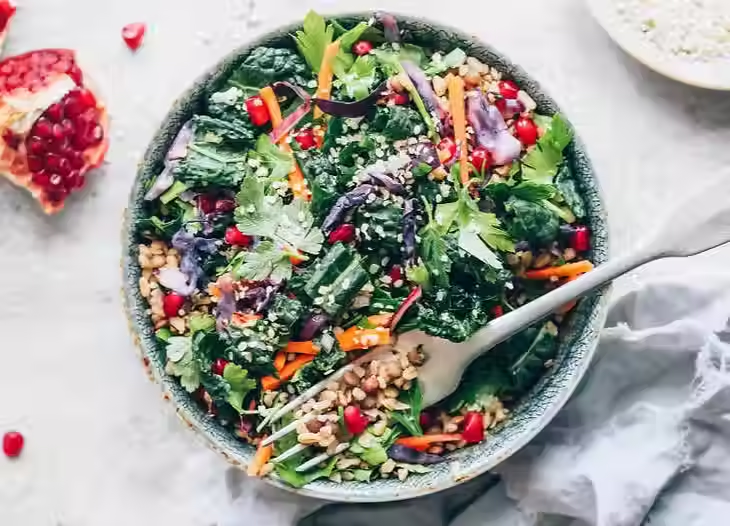
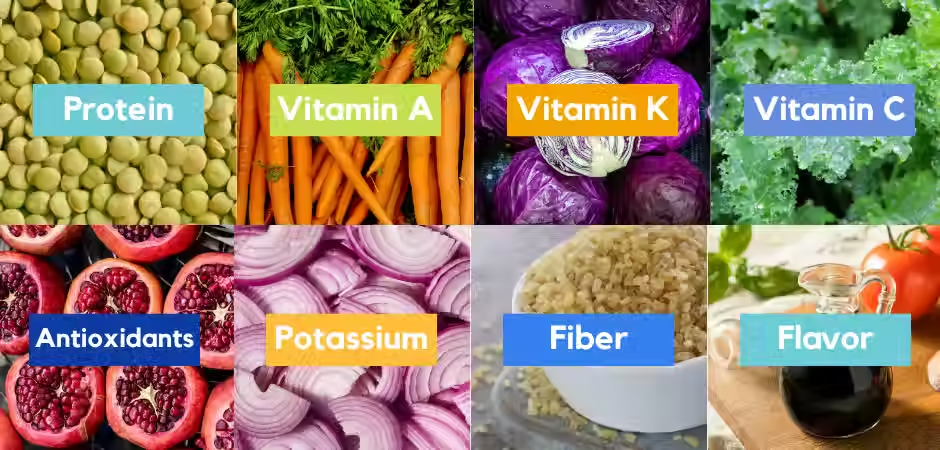
A warm salad can bring color and texture to a table filled with cozy dishes. Alena Schowalter’s warm kale salad from Nutriciously combines bulgur, green lentils, kale, red cabbage, carrots, and pomegranate seeds.
The grains and lentils make it substantial, while the vegetables and pomegranate add crunch and brightness. Serve it alongside a main course or enjoy a larger portion as a meal.
It’s also an opportunity to work with ingredients you already have. Try cooked quinoa instead of bulgur, use dried cranberries when pomegranate isn’t available, or add suitable vegetables from your refrigerator. Follow the recipe’s guidance and adjust cooking times as needed when making substitutions.
For more plant-based holiday side dishes, consider roasted carrots, garlicky green beans, mushroom stuffing made with vegetable broth, or potatoes seasoned with herbs.
Make Room for Plant-Based Holiday Favorites
Comforting main courses can bring familiar flavors to the center of a plant-based holiday table. Think savory fillings, warming herbs, and dishes that are easy to share.
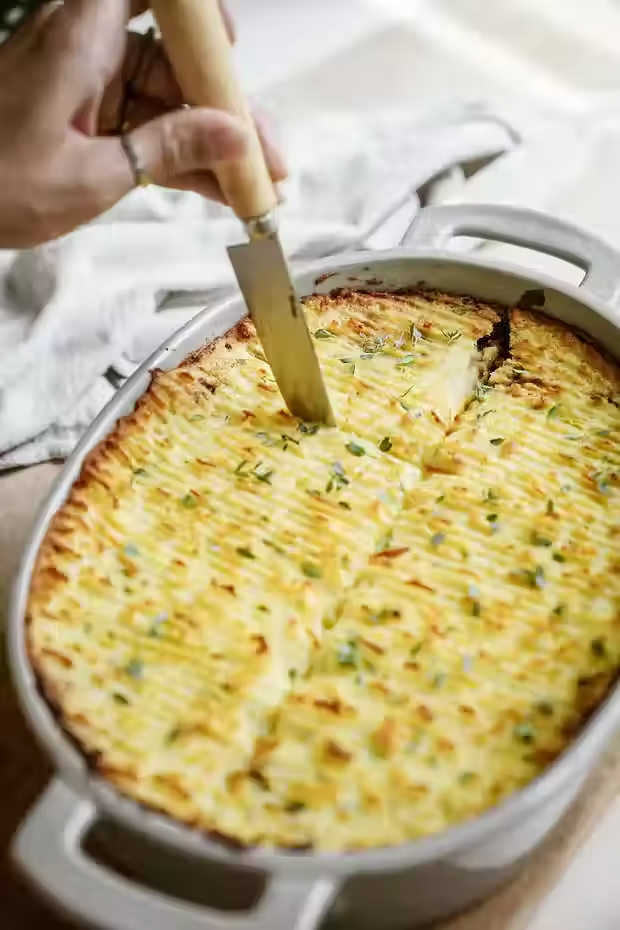
Lentil Shepherd’s Pie
FoodByMaria’s vegan shepherd’s pie uses lentils in place of meat beneath a mashed-potato topping. Aromatic vegetables, herbs, and spices build a savory filling that pairs well with seasonal sides.
Serve it with roasted vegetables or a colorful salad for a menu that combines different flavors and textures.
Chickpea Pot Pie
Nora Cooks’ biscuit-topped chickpea pot pie brings chickpeas and vegetables together beneath a vegan biscuit topping. It’s a shareable option for a gathering, especially when you want a comforting casserole-style dish.
More Ideas for Your Table
ECP’s Healthy Holidays guide also includes inspiration for lentil loaf, stuffed squash, vegetable pot pie, and portobello pot roast.
Choose recipes that fit your guests, budget, and available cooking time. Ask about allergies and dietary needs in advance, and label dishes so guests can choose confidently. A potluck can also give everyone a chance to contribute something meaningful.
Try Simple Swaps in Familiar Recipes
Healthy holiday cooking can begin with an ingredient you already use. Our guide includes a baking substitution chart to help you explore alternatives to dairy milk, eggs, and other ingredients.
A few places to begin:
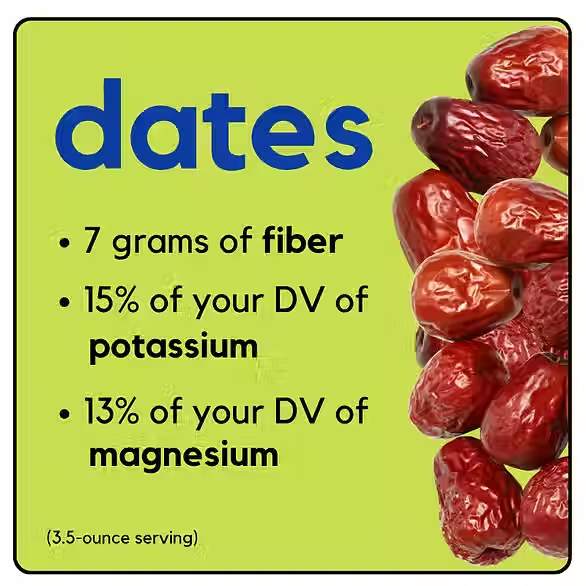
Dates: Dates are a great alternative sweetener to sugar for many deserts!
Plant milk: Try an unsweetened, unflavored option in a savory recipe or a suitable variety in baking.
Flax or chia seeds: Look for recipes that use a seed-and-water mixture to help bind ingredients.
Silken tofu: Explore recipes that use it for a smooth texture in desserts.
Vegetable broth: Use it in stuffing, sauces, soups, and other savory dishes.
Substitutions work differently across recipes. An ingredient that works in a cookie may behave differently in a cake or custard, so a tested plant-based recipe is a helpful starting point.
Plant-based products also vary in their nutritional content. Compare labels and choose ingredients that suit the dish and your needs.
Celebrate Different Food Traditions
Holiday food looks different across households, communities, and cultures. Our Healthy Holidays guide features plant-based recipes for foods such as jollof rice, pozole, aloo parathas, matzo ball soup, fried plantains, and gulab jamun.
These dishes offer opportunities to explore recipes that may be familiar to some guests and new to others. Learn from the recipe creators and invite guests to share their own connections to the foods they bring.
What occasions do they associate with a recipe? Who taught them to make it? What makes their family’s version distinctive?
Food education can begin with listening to one another around the table.
Save Room for Seasonal Treats

Desserts and warm drinks can be part of the celebration, too. The guide includes inspiration for pumpkin pie, pecan pie bars, rice pudding, sugar cookies, hot cocoa, and seasonal coffee drinks.
For a different take on a familiar dessert, try Feasting on Fruit’s pecan pie bars. The recipe uses dates for sweetness and pairs them with pecans for a rich, chewy treat that’s easy to share.
Try baking together, set up a warm-drink station, or invite guests to bring a favorite dessert. For hot cocoa, offering plant milk and gelatin-free marshmallows can help accommodate different preferences.
Plan for the Meal After the Meal

Planning healthy holiday meals also means thinking about what happens when everyone leaves. Before shopping, check what’s already in your refrigerator, freezer, and pantry. Coordinate with guests who are bringing food so you can avoid unnecessary duplicates.
Make a plan for leftovers before cooking begins:
Set aside containers so guests can take food home.
Turn extra roasted vegetables into a grain bowl or soup.
Use cooked beans or lentils in another meal.
Freeze suitable portions you won’t use soon.
Label stored food with its contents and date, and follow food safety guidance for refrigeration and reheating.
The U.S. Environmental Protection Agency recommends planning purchases, storing ingredients properly, and using leftovers to prevent wasted food. These steps can save money and conserve the resources used to produce and transport food.
Our Healthy Holidays guide also includes produce storage tips to help you make the most of your ingredients. Giving leftovers a place in your next meal makes holiday food waste prevention part of the celebration.
Bring Food Education Into the Celebration

The questions behind a holiday menu can spark learning at any age. Where do our ingredients come from? How do different foods support our bodies? What happens to food that goes uneaten?

ECP’s Healthy Eating video offers a starting point for exploring nutrition, while our other free, science-based resources examine connections between food choices, the environment, and animals.
Whether you’re planning a family gathering, a classroom activity, or a community meal, these conversations can continue long after the holiday season.
Sources for health and waste claims:
American Heart Association, Plant-Forward Eating: https://www.heart.org/en/healthy-living/healthy-eating/plant-forward-eating
U.S. EPA, Preventing Wasted Food at Home: https://www.epa.gov/recycle/preventing-wasted-food-home
Follow Us

Stay in the loop with new releases, educator tips, and real-world classroom stories by connecting with ECP online.
For classroom-focused inspiration and educator-specific content, you can also follow Teaching Educated Choices on Instagram and Facebook.
About Educated Choices Program
At the Educated Choices Program, we believe every student deserves access to accurate and engaging education that empowers them to build a better future. If you agree, support our organization by using our resources in your classroom and connecting with us for future updates:


Comments