
Food Safety Insights: What Foodborne Illness Outbreaks Teach Us
Skip to

Every year, the World Health Organization estimates that 866 million people, or nearly 1 in 9 people worldwide become ill from unsafe food. Recent food safety headlines remind us that outbreaks can have very different causes. Unsafe food contaminated by bacteria, viruses, parasites, or chemicals can cause more than 200 different illnesses and diseases, ranging from diarrhea to cancer.
Bacterial illnesses like Salmonella have been linked to foods such as eggs, while emerging concerns like the New World screwworm highlight how parasites affecting livestock can threaten animal health, food systems, and agriculture. More recent news is highlighting how parasites like Cyclospora have been associated with contaminated fresh produce. The takeaway isn't to avoid fruits and vegetables, it's to better understand how food safety depends on every step from farm to table, and how you can lessen your risk.
Other diseases, such as avian influenza (bird flu), are examples of zoonotic diseases. Some outbreaks begin as zoonotic diseases, infections that spread between animals and humans through direct contact, food, water, or the environment. Although these outbreaks each have different causes, they point to the same lesson: our health is closely connected to how our food is produced. Understanding zoonotic diseases helps explain why agriculture, public health, environmental health, and food safety are all deeply interconnected.
At Educated Choices Program, we believe today's food safety headlines provide an opportunity to explore the bigger picture. Rather than simply reacting to the latest outbreak, students can investigate how agriculture, public health, environmental health, and food systems are interconnected, and feel empowered with practical solutions that help create healthier communities for people, animals, and the planet.
Teach the Bigger Picture with From Farm to Flu: Public Health and Pandemic Prevention

Recent outbreaks are reminders that public health doesn't begin in hospitals, it begins throughout our food system. To learn more about how animal agriculture influences the emergence and spread of zoonotic diseases, explore our free lesson, From Farm to Flu, which examines the connections between food systems, disease prevention, and sustainable solutions.
Our free classroom resource helps students explore:
How zoonotic diseases emerge and spread
The relationship between animal agriculture and disease transmission
The connections between public health, environmental health, and food production
Sustainable food choices that support healthier people, animals, and the planet
Foodborne Illness Is More Common Than Many People Realize

A foodborne illness occurs when a person becomes sick after consuming contaminated food or water. The cause may be a virus, bacterium, parasite, toxin, or another harmful substance.
The Centers for Disease Control and Prevention estimates that foodborne illnesses affect approximately 48 million people in the United States each year. About 128,000 people are hospitalized, and 3,000 die. Norovirus causes the greatest number of foodborne illnesses, while nontyphoidal Salmonella is the leading cause of foodborne illness deaths.
Most cases never become national news. An outbreak is more likely to make headlines when illnesses appear across several states, a widely distributed product is recalled, the number of reported cases grows quickly, or investigators cannot immediately identify the source.
That complexity matters. Our food system is enormous, interconnected, and often difficult to trace. How quickly outbreaks are detected and contained can also be influenced by factors such as food safety policies, inspection and testing capacity, funding for public health agencies, and the ability to trace products through the supply chain. These factors all play a role in protecting public health and responding to foodborne illness.
Why Finding the Source Takes Time
Think about the journey of a package of ground beef. Before it reaches your grocery store, cattle may be raised on one farm, transported to another facility, processed at a meatpacking plant, combined with meat from multiple animals, packaged, distributed through several warehouses, and shipped across the country. Every step in that journey creates another point investigators may need to examine if contamination is discovered.
When people begin getting sick, investigators must work backward through the supply chain. They interview patients, compare what they ate, collect laboratory samples, review shipping records, and trace ingredients to the farms, facilities, or distributors where contamination may have occurred.
The investigation becomes even more challenging because many foodborne illnesses do not cause symptoms immediately. By the time someone becomes sick, the food may have traveled through multiple farms, processing facilities, warehouses, and stores, making it difficult to identify exactly where contamination began. Tracing a complex food system often takes days or even weeks.
The speed of an investigation can also depend on food safety policies, inspection and testing capacity, public health funding, laboratory resources, and the availability of product traceability data. These systems help investigators identify the source of an outbreak and respond as quickly as possible, but tracing contamination through today's interconnected food system takes time.
How Does Food Become Contaminated?

Food can become contaminated at many points before it reaches your plate. While most food is safe to eat, contamination can occur during farming, processing, transportation, storage, preparation, or cooking. Possible sources of contamination include:
Bacteria, such as Salmonella, which can contaminate foods like eggs or poultry
Viruses, including norovirus, which can spread through contaminated food or infected food handlers
Parasites, which may contaminate food or water under certain conditions
Zoonotic diseases, which originate in animals and can sometimes spread to people through food, direct contact, or the environment
Chemical contaminants, including pesticide residues or environmental pollutants, when foods are not grown, handled, or regulated appropriately
Cross-contamination during harvesting, processing, transportation, storage, or food preparation
Most food remains safe to eat, and a contamination event does not mean an entire types of food should be avoided. Instead, public health agencies recommend following food recall notices, practicing safe food handling, and staying informed about current food safety updates.
Helpful resources:
Many food safety challenges, including zoonotic diseases that can spread between animals and people, highlight how closely connected human health, animal health, and environmental health really are. This is one reason public health experts use the One Health approach, which recognizes that the health of people, animals, plants, and the environment are interconnected. The CDC identifies improving food safety, preventing zoonotic disease outbreaks, strengthening food security, and reducing antimicrobial resistance as important applications of this approach.
Building Safer Food Systems

Food safety doesn't depend on any one person or one solution. Building a more resilient food system requires action at every level, from stronger public health systems and food safety regulations to informed consumers and engaged communities.
Continued investment in food safety research, inspections, disease surveillance, and testing helps identify contamination more quickly and respond to outbreaks more effectively. At the same time, strengthening local food systems can improve resilience by diversifying where food comes from and increasing community access to fresh, nutritious foods.
Growing all of your own food isn't practical for most people, and it isn't necessary. Gardening requires time, space, resources, and experience. However, even growing a few herbs or vegetables at home, participating in a community garden, shopping at local farmers markets, or joining a Community Supported Agriculture (CSA) program can help people better understand where their food comes from while supporting healthier local food systems. A CSA program is a food distribution model where consumers buy "shares" from a local farm in advance.
Our free lesson Growing Community Roots explores how community gardens do much more than produce food. They strengthen neighborhoods, improve access to fresh produce, support pollinators, reduce food waste and food miles, encourage physical activity, and help build more resilient communities. The lesson also introduces students to the concept of food sovereignty, the idea that communities should have greater control over how their food is grown and distributed.

Bring gardening into your classroom with our free Dig Into It! Classroom Gardening Guide, designed to help educators start meaningful garden-based learning. Scroll down the page to find the guide.
For additional inspiration, read Curriculum Development Manager Elise Ferguson's blog, The Benefits of Gardening: How Growing Food Supports Health, Community, and Well-Being, where she shares her own community gardening journey and practical lessons learned.
It explores how gardening can deepen appreciation for farmers, encourage seasonal eating, reduce food waste, strengthen community connections, and support both personal and environmental health.
Perhaps the most important step is education. When students understand how food systems work, from farming and food safety to environmental health and public health, they are better prepared to make informed decisions and contribute to healthier, more resilient communities.
Food Safety Education Belongs in the Classroom

Food safety headlines this fall offer a great opportunity to help students explore bigger questions about agriculture, public health, environmental science, biology, and food systems. Rather than focusing on a single outbreak, these topics encourage systems thinking and help students understand the connections behind the headlines.
Many of our free lessons are interdisciplinary, aligning with academic standards across science, health, social studies, environmental literacy, and more, making them easy to integrate into a variety of classrooms.
Our classroom-ready educational resources bring these concepts to life through engaging videos, lesson plans, and student activities. Each resource below explores a different aspect of food safety, food systems, and public health, making it easy to connect current events to meaningful classroom learning.
Environment & Modern Agriculture → How does our food system work?
From Farm to Flu → How can food systems contribute to disease?
Planetary Health → Why does all of this matter for people and the planet?
The Planet & Our Plates → What actions and choices can create better outcomes?
Growing Community Roots → How can communities build local resilience?
Future of Food → What innovations could shape healthier, more sustainable food systems?
Review and explore the links to each lesson below:
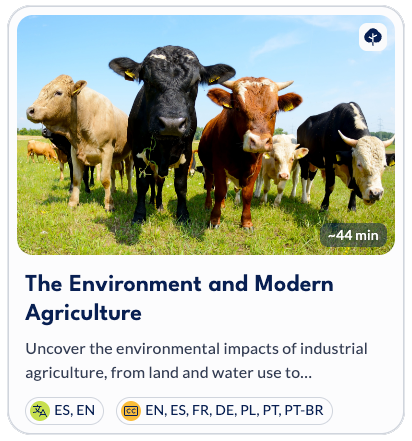
The Environment and Modern Agriculture examines how modern agricultural practices influence natural resources, pollution, biodiversity, and public health.
By exploring how food moves from farms through processing, transportation, and retail, students gain a deeper understanding of why food safety depends on every step of the food system, not just what happens in the kitchen.
From Farm to Flu explores zoonotic diseases, antimicrobial resistance, pandemic prevention, and how food systems can influence disease risk. Students investigate why some outbreaks originate in animals and what factors can increase or reduce those risks.
By connecting food production, public health, and environmental health, this lesson helps students understand the bigger picture behind today's food safety headlines and the importance of prevention before outbreaks occur.

Planetary Health helps students investigate the connections between agriculture, climate, biodiversity, public health, and environmental sustainability.
This lesson expands the conversation beyond individual food recalls by showing how food production influences human health, ecosystems, and climate. Students explore why resilient food systems are essential for preventing future challenges and protecting both people and the planet.

The Planet & Our Plates explores the environmental impacts of food production while examining practical ways to create more sustainable food systems.
By connecting everyday food choices to climate, resource use, and public health, this lesson helps students understand how individual actions can contribute to more resilient food systems and a healthier future.
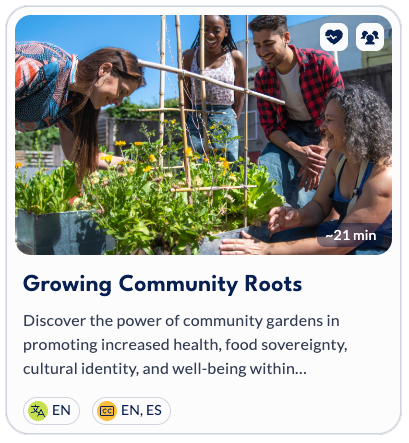
Growing Community Roots highlights how community gardens, local food systems, and food sovereignty can strengthen food security and community resilience.
As students explore solutions for building stronger food systems, they discover how local action, from community gardens to neighborhood partnerships, can increase resilience, improve access to healthy food, and support long-term public and environmental health.

Future of Food introduces emerging food innovations and technologies that could help build healthier, safer, and more resilient food systems for the future.
Students explore how innovations such as cultivated meat, precision fermentation, and other emerging technologies could improve food security, reduce environmental impacts, and help create a more sustainable future.
Follow Us on Social Media!

Stay in the loop with new releases, educator tips, and real-world classroom stories by connecting with ECP online.
For classroom-focused inspiration and educator-specific content, you can also follow Teaching Educated Choices on Instagram and Facebook.
About Educated Choices Program:
At the Educated Choices Program, we believe every student deserves access to accurate and engaging education that empowers them to build a better future. If you agree, support our organization by using our resources in your classroom and connecting with us for future updates:


Comments