
National School Lunch Week: 5 Ways to Bring Food Education to Life
Celebrate with classroom activities that explore colorful foods, plant proteins, food waste, and the teamwork behind school meals.

School food plays an integral role in children’s health and future. School meals offer a daily opportunity to support children’s health and help them build lasting nutrition knowledge. School lunch offers a meaningful starting point for conversations about health and nutrition, empowering students with the knowledge to make choices that support their well-being
National School Lunch Week, run by the School Nutrition Association October 12–16, 2026, is an opportunity to bring questions about food waste, nutrition, and how food gets to the school lunch tray. This year’s “Cafeteria Circus” theme celebrates the creativity and teamwork behind school meals. According to the School Nutrition Association, the National School Lunch Program serves nearly 30 million children each school day.
At Educated Choices Program (ECP), we help students investigate the connections between food, health, and the environment. These five circus-themed classroom topics can help you connect that learning to the cafeteria.

1. Meet the Colorful Performers
Start with a school menu, photographs of meals, or illustrated food cards. Ask students to identify the fruits and vegetables they recognize and group them by color. Which colors appear most often? Which foods are new to them?
Then invite students to investigate the nutrients found in a few of those foods.
We make it easy for you to teach The Micronutrient Rainbow with a free 16-minute educational video that comes with a ready-to-go educational package.

“Micronutrient Rainbow” highlights the importance of essential vitamins and minerals, showing you how to incorporate them into your meals by adding more color to your plate. Uncover the unique benefits of whole plant foods, from reds to neutrals, for your energy, immunity, mental clarity, and overall health.
2. Put Plant Proteins in The Spotlight

Protein is an important topic to bring into the classroom as it supports children’s growth and development, helping their bodies build and repair tissues and supporting a healthy immune system. At the same time, fiber is often missing from young people's diet. Many children and adolescents fall short of recommended fiber intake.
For kids, fiber-rich foods like fruits, vegetables, beans, and whole grains support healthy digestion and provide nutrients needed for growth. Helping students understand that many plant-based protein sources also provide fiber can give them a head start in building healthy eating habits, especially in a standard American diet that often falls short on fiber.
We have the perfect resource to guide the lesson with activities, discussion prompts, guided notes, and everything you need to teach proteins. Our Plant-Forward and Powerful is a 28-minute video and educational package.
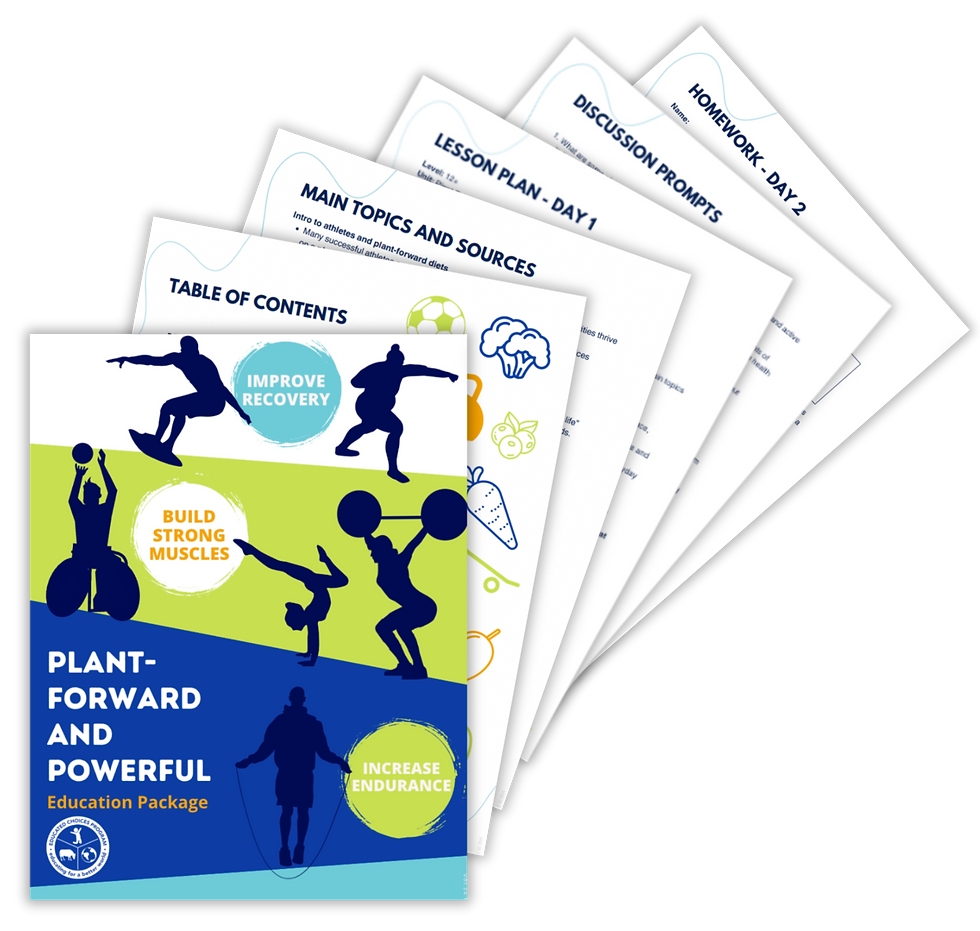
“Plant-Forward and Powerful” highlights the benefits of plant-based nutrition for enhancing physical performance, inviting athletes and active individuals to discover how a plant-forward diet can optimize their endurance, strength, and recovery. It features compelling testimonials from successful plant-based athletes, including an Olympic Medalist and a Ninja Warrior.
3. Investigate Food Waste in Schools and How Food Gets to The Tray
Food Waste Prevention Week may be behind us, but the topic is one of the greatest concerns regarding the environment. According to the World Wildlife Fund, approximately 530,000 tons of solid food is wasted in schools each year. There are many students and educators leading the way to make a difference. Organizations like Eat Real provide schools with support to improve the quality of their meals, offering a starting point for conversations about how nutritious food and waste reduction can go hand in hand.
Start by discussing why food may be left uneaten. Students might raise questions about time to eat, unfamiliar ingredients, portion sizes, or preferences. Encourage them to investigate rather than assume they know the answer.
We have the perfect resource to bring this topic into the classroom, with activities, discussion prompts, guided notes, and everything you need to teach food waste prevention. Our Rethinking Food Waste video, our most popular resource, explores the environmental impact of wasted food and practical ways students can make a difference at school and at home. The video follows a slice of pizza from production to consumption, revealing how food loss and waste happen throughout the supply chain. Students explore the environmental and social impacts of wasted food and develop ideas for reducing their own impact.

"Rethinking Food Waste: The Journey of Food" explores how food waste occurs at every stage throughout the food supply chain and its impact on the environment and society. It also offers simple steps everyone can take to reduce their own food waste.

The free education package includes lesson plans, guided notes, discussion prompts, homework, a quiz, and activities to help turn learning into action. These resources received a 2025 Teachers’ Pick Award from We Are Teachers. For a practical follow-up, use the Rethinking Food Waste Guide, featuring tips, a saveable meal planner, and a grocery list to help students put their ideas into practice.
4. Let Students Take the Lead on Food Waste Solutions
How could schools and communities make it easier to prevent food waste? Invite students to explore that question with the Food Waste Policy Symposium activity from our Rethinking Food Waste education package.
Divide the class into three teams focused on school, city or town, and national policies. Each team researches existing approaches and proposes two or three ways to reduce food waste, explaining who needs to be involved, how to gain support, and how success would be measured. Bring everyone together to discuss how their recommendations could work together.
5. Support School Meals with Eat Real
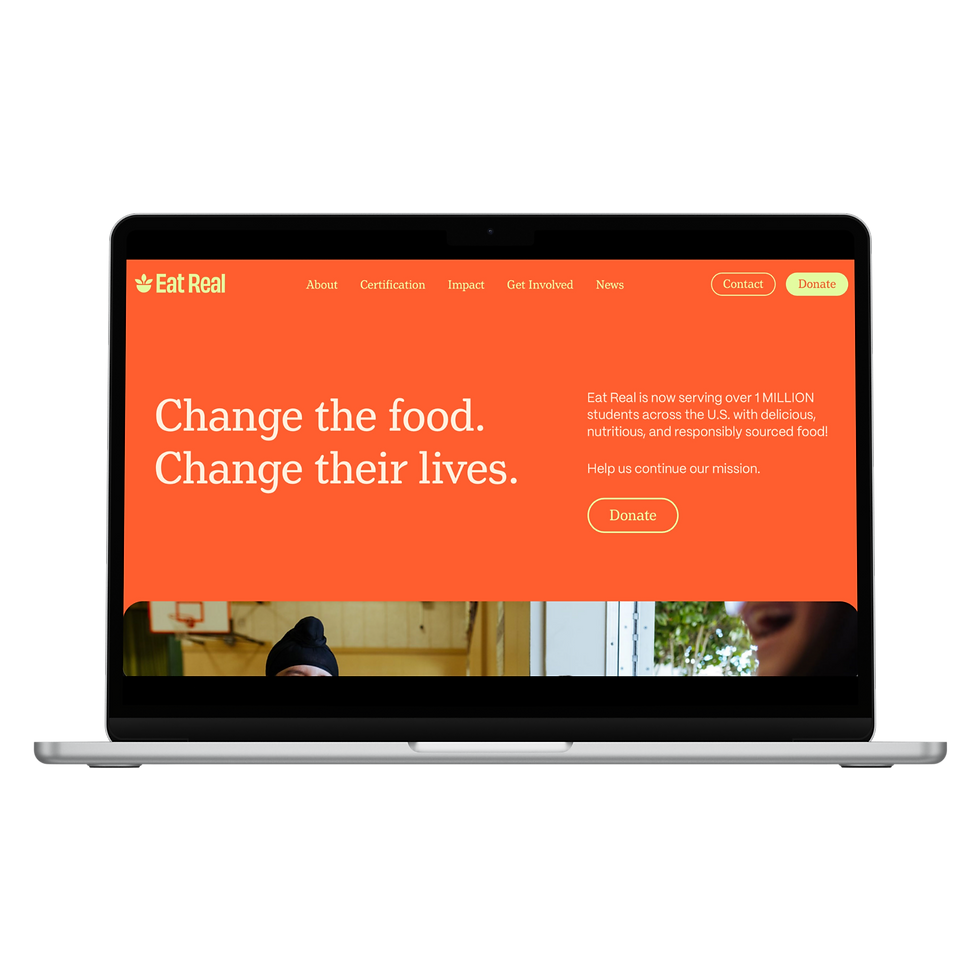
Classroom exploration can also open conversations about school food programs. Eat Real’s K–12 certification program supports foodservice leaders in improving meal quality and responsible sourcing. Its standards address areas including menu variety, whole grains, waste prevention, and real food education. The program is offered at no cost to districts.
Schools interested in taking the next step can explore certification and connect with Eat Real’s team. Educators can support that work by helping students ask informed questions and engage thoughtfully with the food served at school.
Keep the Learning Going

Choose one of our videos for National School Lunch Week and build from there. A question about a colorful vegetable can become a nutrition lesson; a cafeteria observation can become a student research project.

ECP’s free, science-based resources include videos, lesson plans, discussion prompts, and classroom activities. Explore the ECP Resource Library to find materials suited to your learners and bring food education into your classroom throughout the year.
A free account is required to access the video and full lesson package. It takes about 30 seconds to create, and anyone can sign up!
Follow Us for More Teaching Topics

Stay in the loop with new releases, educator tips, and real-world classroom stories by connecting with ECP online.
For classroom-focused inspiration and educator-specific content, you can also follow Teaching Educated Choices on Instagram and Facebook.
About Educated Choices Program:
At the Educated Choices Program, we believe every student deserves access to accurate and engaging education that empowers them to build a better future. If you agree, support our organization by using our resources in your classroom and connecting with us for future updates:


Comments