
8 Free Climate Change Education Tools for Back to School for 2026
After the world experienced its second-hottest July on record, students are returning to classrooms amid headlines about record heat, drought, wildfires, and extreme weather. In Canada alone, more than 4 million hectares have burned in wildfires this year, while Western Europe just experienced its hottest June–July period on record. In the United States, firefighters have responded to 46,509 wildfires that have burned more than 6.4 million acres, reaching 126% and 155% of the 10-year averages, respectively. These aren't distant concepts students will encounter someday. They're real-world issues unfolding around them right now.
As a new school year begins, educators have an opportunity to help students understand the science behind what they're seeing and connect climate change to the choices and systems that shape their everyday lives.
To support your planning, we’ve curated 8 free climate change education tools, from interactive guides and downloadable printables to curriculum databases. This list features a mix of our most popular Educated Choices Program (ECP) resources, along with trustworthy tools from fellow climate education partners.
Keep these 8 ready-to-use resources in your back pocket to make climate literacy engaging and accessible all year long:
1. Free Download: ECP’s Printable Poster PDF
Make your classroom a living, breathing resource with this free downloadable poster featuring key facts and visuals about food systems and climate change. This pixelated video-game style poster covers:

Water Use
Land Use
Deforestation
Ghg Emissions
Print out a few copies to post on bulletin boards, hallways, or to decorate your classroom. We bet it will kick off a classroom discussion!
2. ECP's Climate Change Education Video and Resource Library
ECP’s digital library is full of free, standards-aligned video presentations for elementary, middle, and high school classrooms that help students explore the intersections of food, health, society, and the environment.
Planetary Health: Explore how food systems connect human health, environmental health, biodiversity, climate, and the future of our planet.
The Environment and Modern Agriculture: Investigate how modern food production influences land, water, biodiversity, pollution, and public health.
Rethinking Food Waste: Discover why food waste matters, where it happens across the food system, and practical solutions students can take today.
Our Carbon Foodprint: Calculate the environmental impacts of everyday food choices while exploring greenhouse gas emissions, land use, and water use.
Eat for the Earth (Elementary): Introduce younger learners to how everyday food choices impact the planet, with age-appropriate lessons on climate, natural resources, and simple ways kids can make a difference.
Each themed education package includes a video, ready-to-use lesson plans, activities, discussion questions, and remote student viewing links, ideal for independent classroom use or remote assignments.
Example of ECP’s FREE Climate Change Education Package: Planetary Health

Watch our brand new video trialer for Planetary Health:
Looking for additional classroom inspiration? Our free lessons have been featured by We Are Teachers, including "Bring Climate Education to Life With These 7 Free Standards-Aligned Video Lessons," which showcases engaging, standards-aligned resources that help students explore climate, food systems, and environmental literacy.
Planning with standards in mind? Use ECP’s Academic Standards Guidelines to find resources that align with common academic standards across more than a dozen countries.
4. ECP’s Dig into Gardening Guide
Take climate and food systems learning beyond the classroom with hands-on gardening. ECP’s Dig Into Gardening guide helps educators and students explore how growing food can support personal health, stronger communities, and a healthier environment. The guide includes:
Benefits of gardening for health, biodiversity, and the environment
Tips for starting a garden, from containers and raised beds to community gardens
A seasonal planting guide and step-by-step growing instructions
Ideas for preventing food waste, including regrowing produce, composting, and donating extra crops
Kid-friendly activities that make gardening engaging and accessible
4. ECP’s Rethinking Food Waste Guide
Empower students to reduce food waste at school and home. This guide includes:

Real-world food waste facts to familiarize students with the topic
Practical steps for reducing waste
Composting information and instructions
Meal and grocery planning printables
This is a great resource for students to take home and involve the whole family in.
5. FoodPrint.org’s Water Foodprint Calculator
Your “foodprint” is the result of everything it takes to get your food from the farm to your plate. Many of those processes are invisible to consumers.”
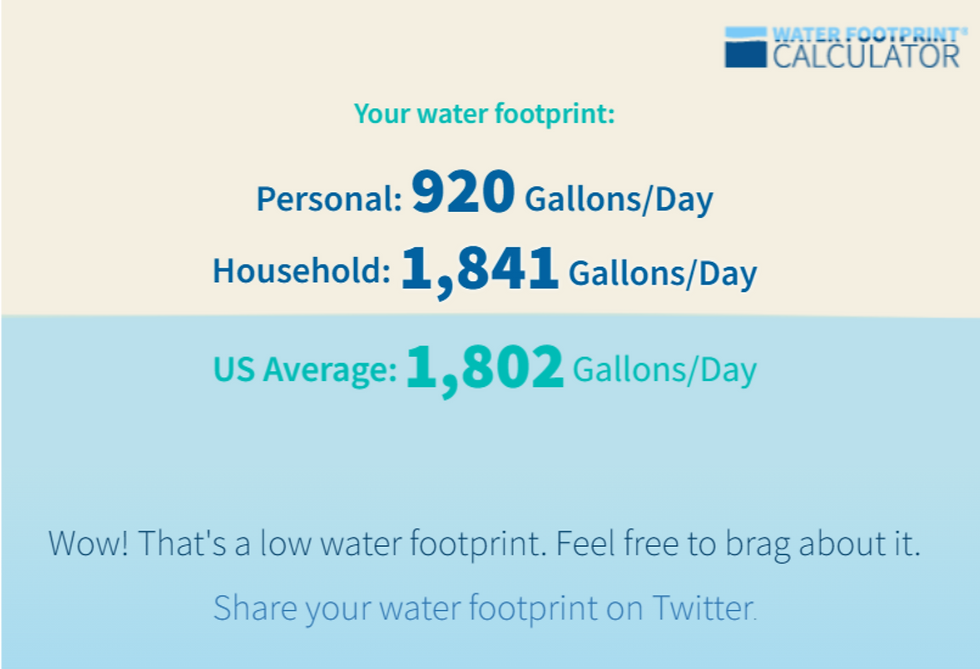
This online tool helps students explore how everyday food choices impact the environment by allowing them to see what their own water footprint is! This is a perfect companion to ECP’s “Our Carbon Foodprint”.
Use to initiate classroom discussions and reflection after watching the video.
6. Subject to Climate Education
This dynamic platform offers free climate change education teaching materials curated by grade level and subject. Highlights include:
Monthly observance calendars with accompanying resources
NGSS-aligned lesson plans
Ready-to-use activities for cross-curricular connections
Ideal for integrating current events into your lessons.
7. Green Schools Alliance’s START Dashboard
This interactive tool helps schools track sustainability initiatives and reduce their carbon footprint. The dashboard includes:
Student education programs
Ideas, guides, and resources to set school-wide sustainability goals
Sustainability tracking tools

A powerful way to turn climate education into school-wide action.
8. Keep Exploring: Choices Hub + Planetary Health Resources
Help students take climate education beyond the classroom with additional tools for learning, exploring, and taking action.
ECP’s Choices Hub gives students a place to continue engaging with what they’ve learned through:
Interactive activities and quizzes
Food and sustainability facts
Planet-friendly recipes
Blogs and opportunities to take action
Educators can also explore resources from ECP partner Planetary Health Alliance, including the Growing Green Hearts: Inspiring the Next Generation with Planetary Health Education eBook, which features real-world stories, educational activities, and strategies for bringing planetary health into diverse learning environments.
Additional resources:
Benefits of Climate Change Education
Climate change education helps students connect what they learn in the classroom to environmental changes happening in the world around them. From extreme heat and wildfires to biodiversity loss and changing food systems, these real-world issues give educators opportunities to make science relevant, timely, and actionable.
Climate education can lead to measurable real-world change. Independent research from the Universities of Cambridge and Edinburgh found that students exposed to ECP educational content made significantly more sustainable food choices. In one study, students who watched an ECP video were 2.5 times more likely to choose a plant-forward meal, demonstrating how education can translate climate knowledge into action.
Bringing climate education into schools can also help students understand how human activities, food systems, natural resources, and planetary health are interconnected. Rather than simply learning about climate change, students can develop critical-thinking skills and explore solutions they can apply in their schools, homes, and communities.
Free climate change education resources make it easier for teachers to introduce these topics without having to build lessons from scratch. Videos, activities, guides, and standards-aligned materials can help educators bring climate literacy into science, health, environmental studies, and other subjects while giving students practical ways to participate in a more sustainable future.
About Educated Choices Program
At the Educated Choices Program, we believe every student deserves access to accurate and engaging education that empowers them to build a better future. If you agree, support our organization by using our resources in your classroom and connecting with us for future updates:
Follow Us

Stay in the loop with new releases, educator tips, and real-world classroom stories by connecting with ECP online.
For classroom-focused inspiration and educator-specific content, you can also follow Teaching Educated Choices on Instagram and Facebook.
Subscribe to our newsletter for content delivered straight to your inbox


Comments